All Posts

Latest Blogs from Ylang Labs

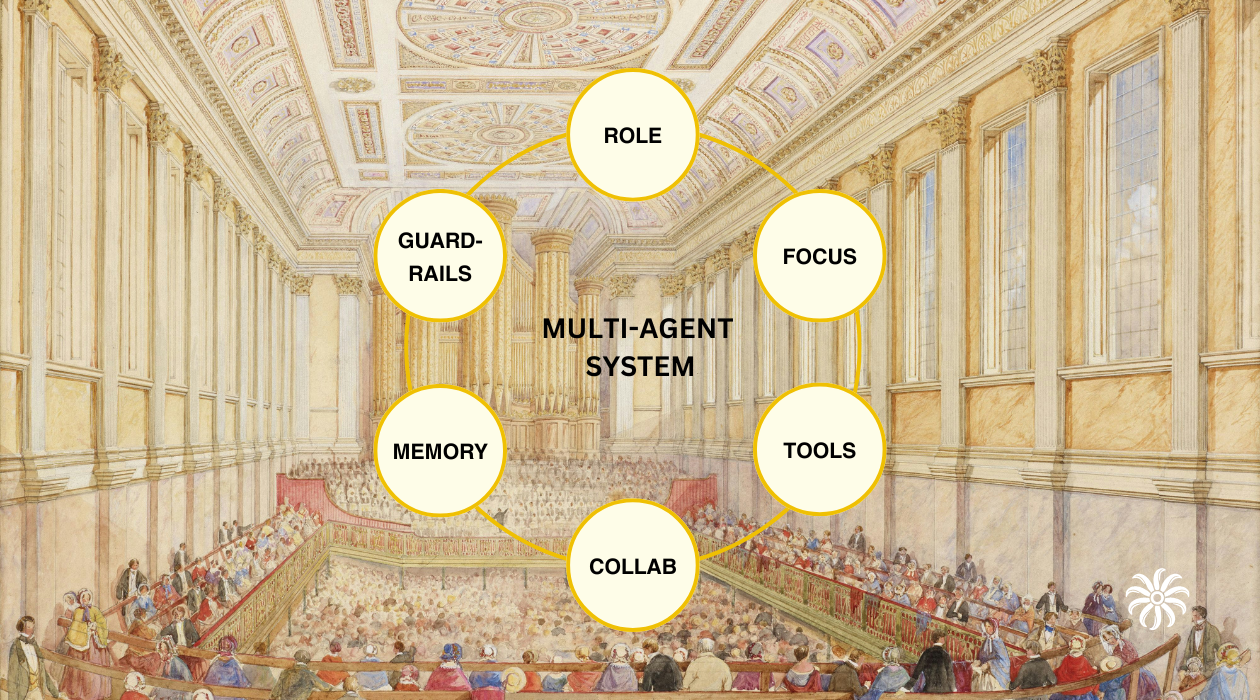
Key Elements of Multi-Agent Systems

Explore the six essential elements that make multi-agent systems effective: Role Playing, Focus, Tools, Collaboration, Guardrails, and Memory. Learn how specialized agents working together can outperform single-agent solutions through clear roles, focused responsibilities, and powerful collaboration patterns.

7 min readAI/MLAgentsRead Blog
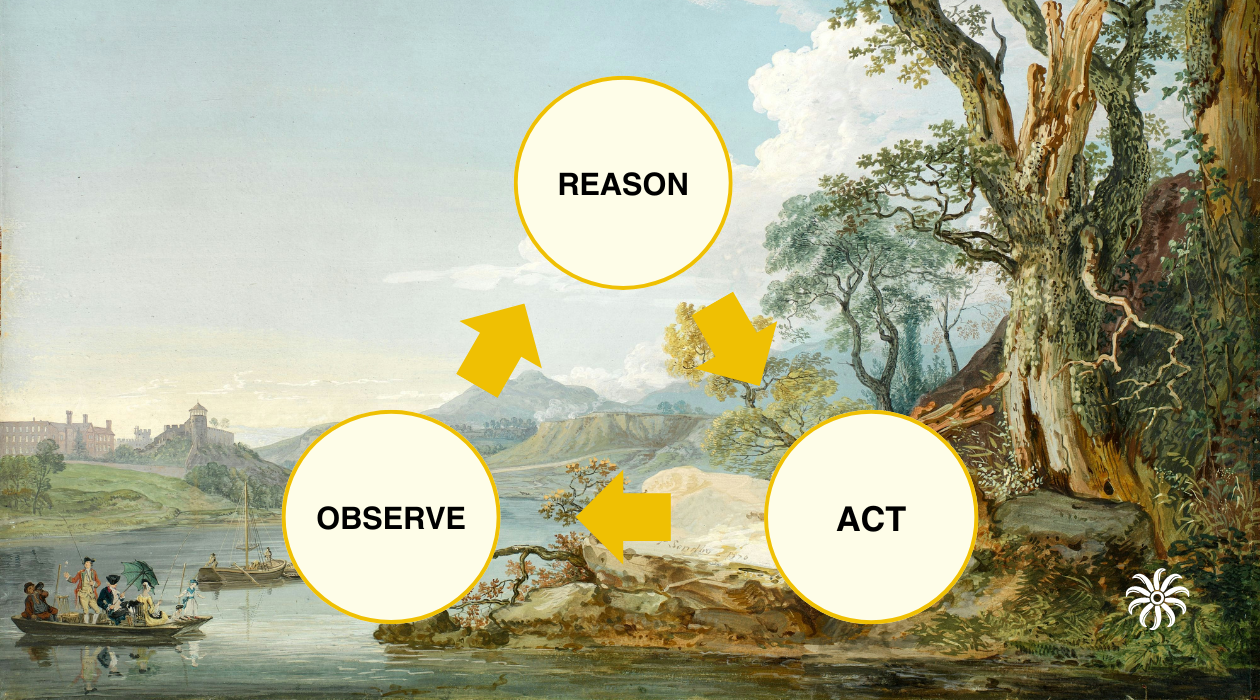
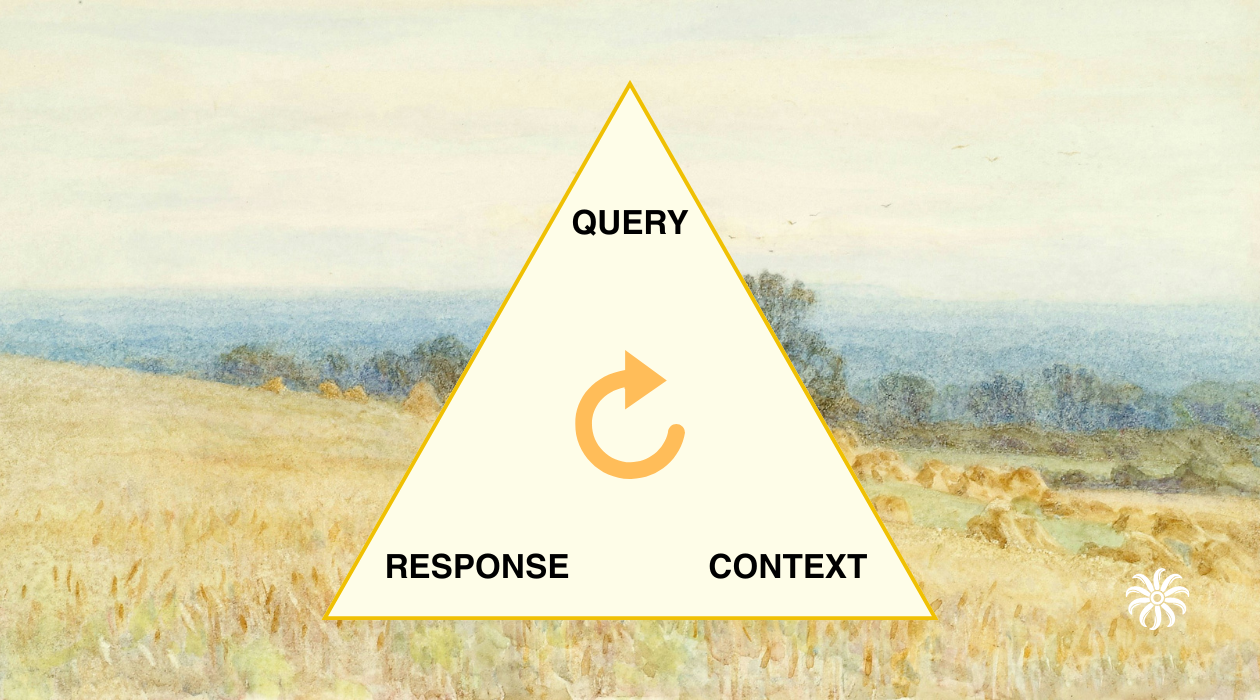
ReAct: Reasoning and Acting in Language Models

Explore ReAct, a framework where language models observe, reason, and act in a continuous cycle. Learn how this three-step process enables AI to gather information, think through problems step-by-step, and take concrete actions - creating more capable and reliable AI systems that can adapt their approach based on real-world feedback.

11 min readAI/MLAgentsRead Blog
RAG Triad: Building Trust in RAG Through Systematic Evaluation

Discover the RAG Triad framework - a systematic approach to evaluating RAG systems through three key pillars: context relevance, groundedness, and answer relevance. Learn how this framework helps build trustworthy AI by detecting hallucinations and ensuring responses are reliable and verifiable.

13 min readAI/MLRead Blog
MemGPT - LLMs as Operating Systems

MemGPT revolutionizes LLM capabilities by implementing operating system-like memory management, enabling persistent context and long-term learning across conversations.

12 min readAI/MLAgentsRead Blog
DSPy: Programming not Prompting your LMs

DSPy is a framework for building LLM applications that goes beyond traditional prompt engineering. It provides a programmatic approach to working with LLMs, allowing developers to build more robust, maintainable, and scalable applications.

11 min readAI/MLRead Blog